
Structure & Operations
How Italian Rifugi Work
The Club Alpino Italiano classifies rifugi into distinct categories based on altitude, services, and access routes. Each type follows specific operational rules.
Read article →Detailed reference on how mountain huts operate, what safety standards apply, and how trail networks are organised across the Italian Alps and Dolomites.

Articles
Structured documentation on rifugi categories, safety regulations, and trail classifications across Italian mountain regions.
Structure & Operations
The Club Alpino Italiano classifies rifugi into distinct categories based on altitude, services, and access routes. Each type follows specific operational rules.
Read article →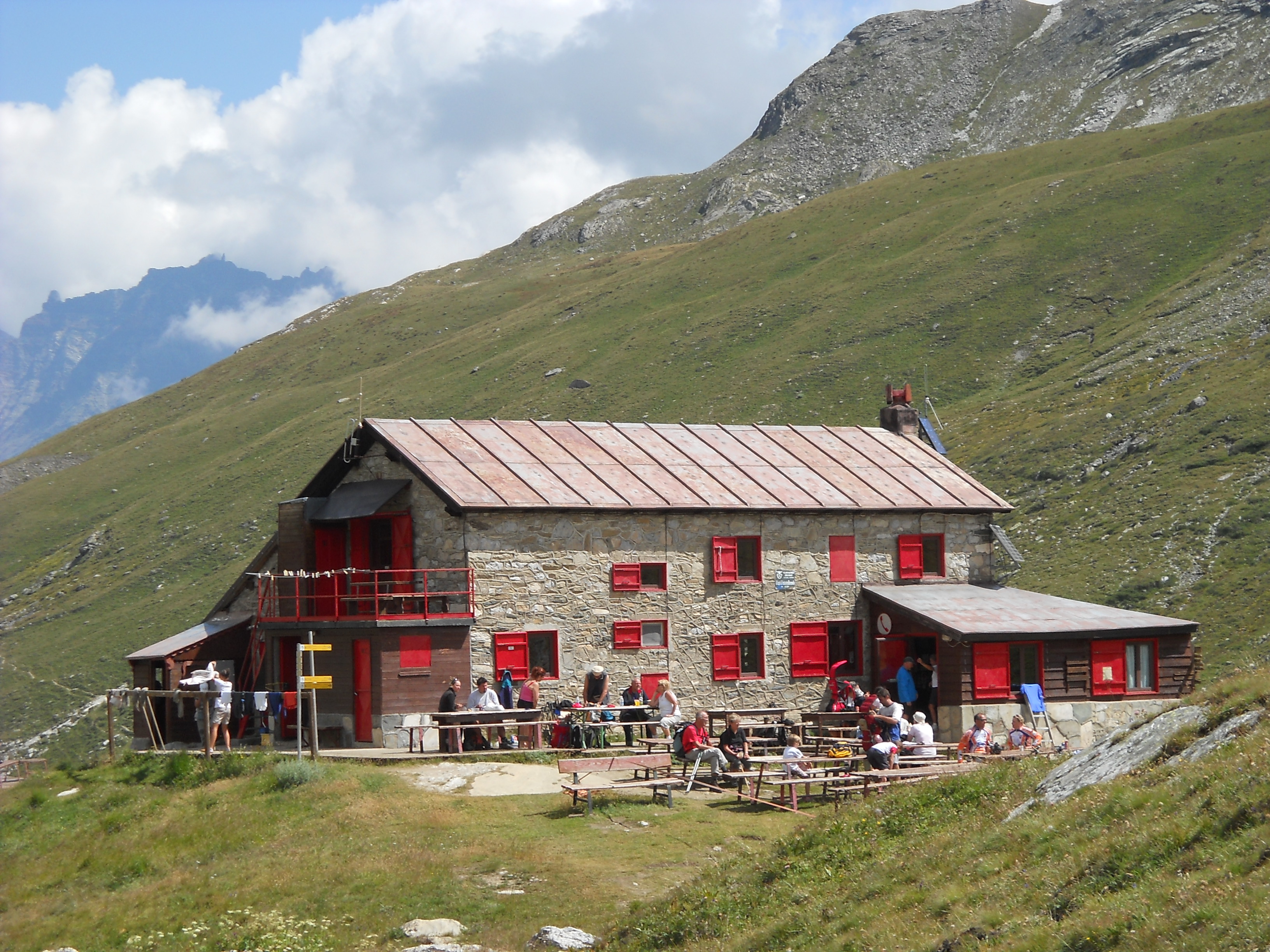
Regulations
Italian mountain safety is governed by a layered system: national civil protection frameworks, regional emergency protocols, and CNSAS rescue procedures.
Read article →
Trail Networks
The Dolomites contain one of Europe's most documented trail networks. Numbered paths, via ferrata routes, and alta via corridors follow defined maintenance standards.
Read article →Context
Italy has one of the largest concentrations of staffed mountain huts in Europe, maintained primarily through the Club Alpino Italiano and its regional sections.
Selected Rifugi
A cross-section of well-documented rifugi illustrating the range of locations, elevations, and operational contexts across Italian mountain regions.

Valle d'Aosta
Located in the Valle del Lys near the Felik glacier, this CAI-managed hut sits on a high-altitude approach to Monte Rosa. Operates with seasonal staffing during the summer climbing season.

Lombardy — Orobie
Part of the Gran Via delle Orobie route through the Bergamo Alps. This hut serves as a staging point on one of Lombardy's longest high-altitude traverses.
Gran Paradiso
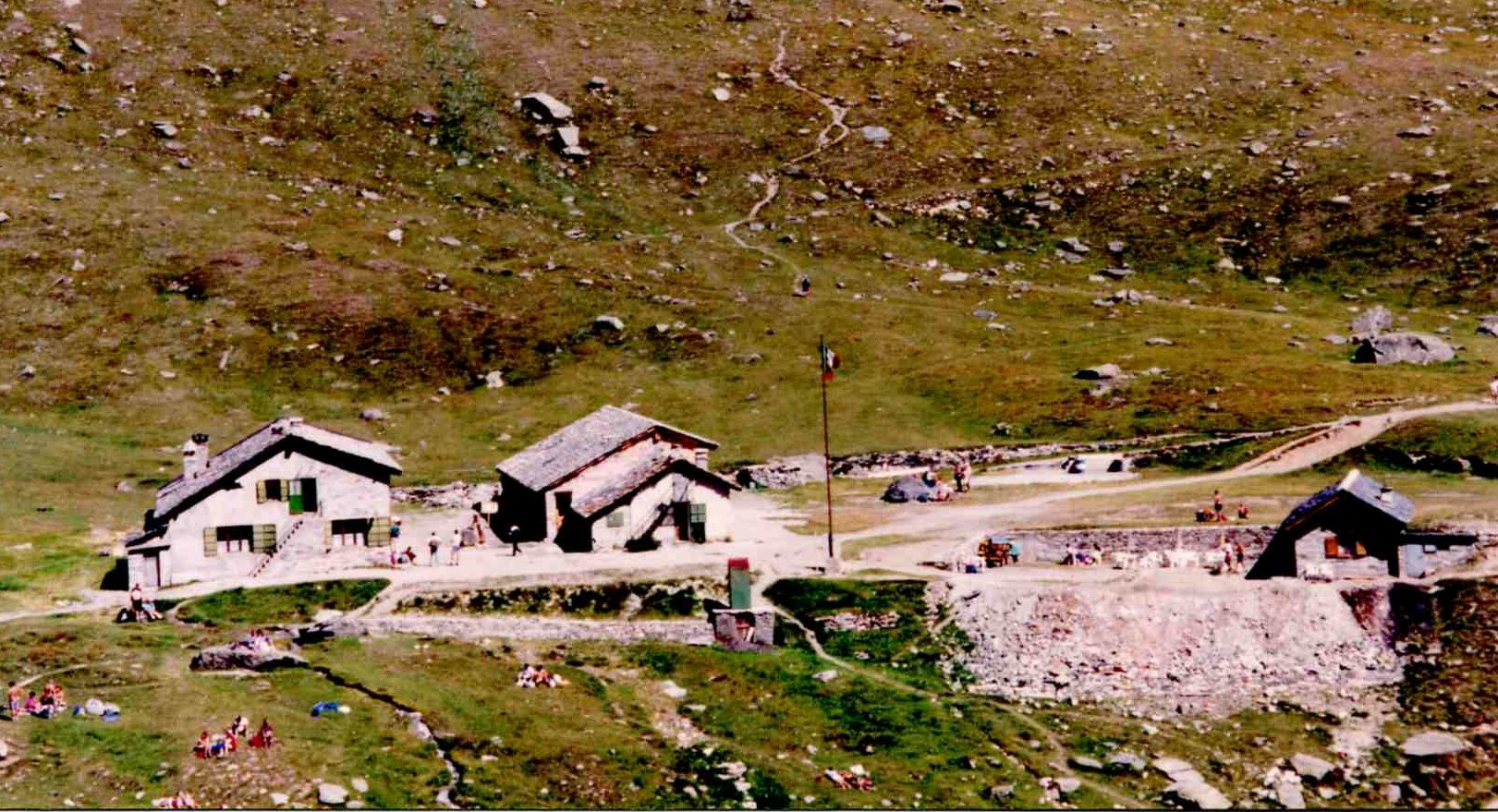
Situated within the Gran Paradiso National Park, this rifugio is positioned on a standard approach route to Gran Paradiso (4061m), the only four-thousander located entirely within Italian territory.